
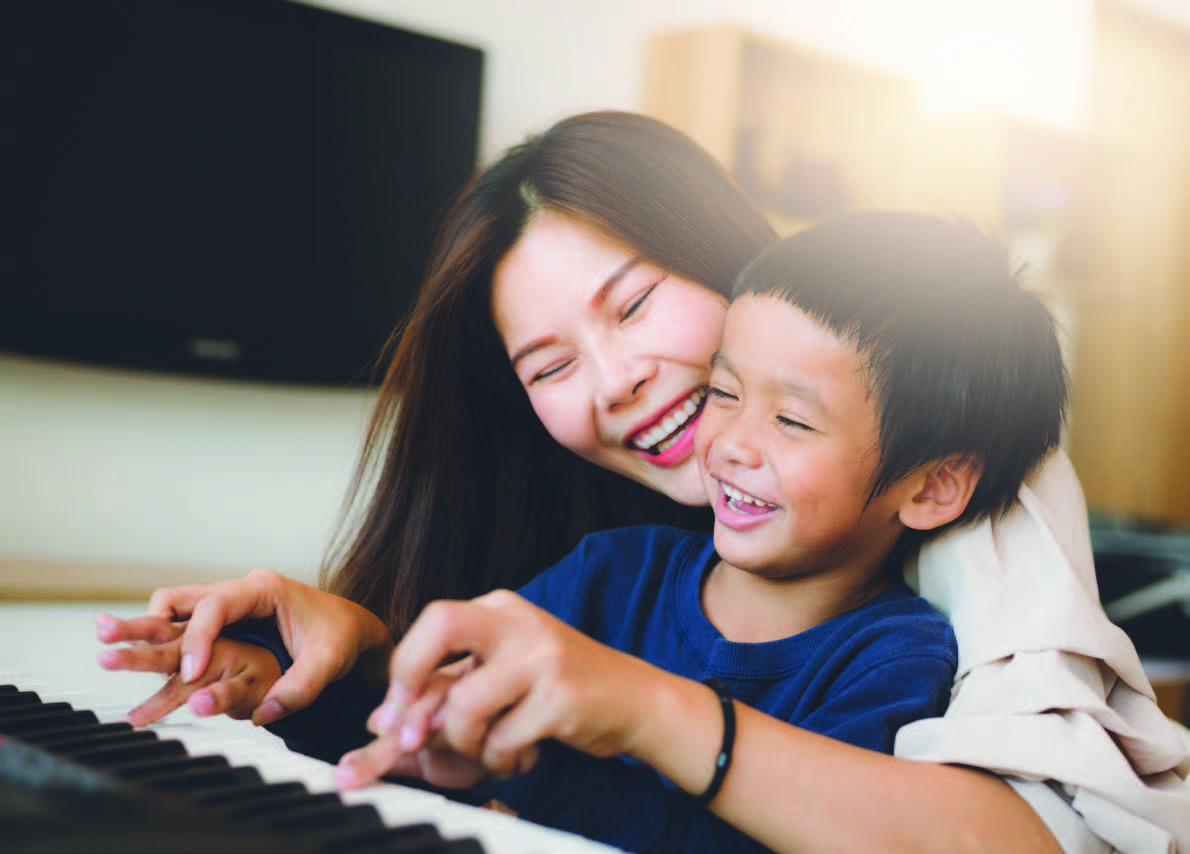
In today’s ever-changing world of education, Generation Alpha — those born between 2010 and 2025 — are growing up surrounded by technology, creativity, and constant connection. Yet even as they become fluent with digital tools from an early age, the value of traditional skills like music remains as strong as ever. In fact, private music lessons are becoming an important part of many children’s learning journeys. These lessons don’t just teach how to play an instrument — they strengthen intellect, emotions, and social skills, offering benefits that reach far beyond music itself.
Benefits for the Brain and Cognitive Development
Many studies have long shown the connection between music education and brain growth. For Generation Alpha, private lessons provide a personalized approach that supports balanced development.
Learning an instrument requires focus, problem-solving, and memory — all of which activate multiple regions of the brain. Music engages both the left hemisphere (logic and reasoning) and the right hemisphere (creativity and emotion), creating a more complete and flexible mind. When children read notes, keep rhythm, or memorize a piece, neural connections are reinforced, helping with math, language, and spatial skills.
Private lessons also allow teachers to adjust the pace and method to fit each child, maximizing these cognitive benefits.
Emotional Growth and Building Confidence
Music is the language of emotion. For children, private music lessons offer space to connect with and better understand their feelings. Through practice and performance, they learn empathy, self-control, and perseverance.
In one-on-one settings, students receive both technical guidance and encouragement for self-expression. Finishing a new piece gives a sense of accomplishment that builds confidence and motivation. Over time, these experiences strengthen a child’s self-esteem and emotional resilience.
Strengthening Focus
In an age filled with distractions, private music lessons create a calm space for concentration. Unlike group classes where attention may wander, one-on-one learning encourages discipline and full focus on the instrument and the instructor.
Social Skills and Self-Expression
Even though private lessons are individual, children still have opportunities to perform in recitals or join ensemble activities. These experiences help them develop teamwork, communication, and confidence in front of others.
Music also opens doors to creativity and self-expression. In a world that often values conformity, music gives children a way to explore their individuality and find personal meaning through sound.
A Broader Impact
Private music lessons offer far more than the ability to play an instrument. They nurture intellectual growth, emotional maturity, discipline, and social awareness — key qualities for becoming well-rounded individuals. In an era shaped by artificial intelligence and constant change, the lessons learned from music — focus, creativity, confidence, and independent thinking — prepare Generation Alpha to make thoughtful choices and shape their own futures.
Tips for Parents
Start early: Children can begin music lessons as young as 5–6 years old. Early exposure builds curiosity and lasting habits.
Choose the right instrument: Let children explore different options — genuine interest helps sustain motivation.
Encourage, don’t pressure: Celebrate small achievements and keep the learning experience joyful.
Create a musical space at home: A cozy, organized practice area helps children focus and feel inspired.
Be involved: Listen to your child play, attend recitals, and talk about their progress — small gestures that strengthen both learning and connection.
Private music lessons are more than a hobby — they’re a way to help children think, feel, and grow into confident, creative individuals in a rapidly changing world.